
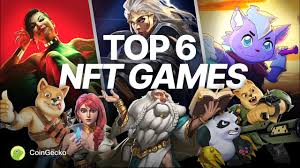
The world of gaming is undergoing a transformation. A shift that not only changes how we play but also how we earn. Enter NFT gaming, an exciting new frontier where players can earn real-world value through their in-game activities. What was once considered merely a pastime is now a lucrative opportunity for players to invest in virtual assets, thanks to the rise of Play-to-Earn (P2E) models and NFTs (Non-Fungible Tokens). If you’re curious about how gaming and investing are converging, you’re in the right place.
What Is Play-to-Earn?
Play-to-Earn (P2E) is a gaming model that allows players to earn tangible rewards, often in the form of cryptocurrency or NFTs, through their in-game activities. Unlike traditional games, where players spend money to purchase in-game items or upgrades that have no real-world value, P2E games enable players to earn money simply by playing.
For example, in a game like Axie Infinity, players collect, breed, and battle digital creatures called Axies. These Axies are NFTs, and players can earn cryptocurrency by playing the game, which can then be traded or sold for real-world profit. This new model is revolutionizing gaming, turning casual players into potential investors.
Why is this gaining so much attention worldwide? Simply put: players are now becoming investors. Instead of just spending money on a game, players are now gaining assets with real-world value. This has made gaming not just a hobby but a way to generate income, particularly in regions where traditional job opportunities may be limited.
How NFTs Add Value to Gaming
NFTs (Non-Fungible Tokens) are digital assets stored on a blockchain, and each NFT is unique—just like a rare collectible item. In the context of gaming, NFTs represent in-game assets such as characters, weapons, skins, land, and even entire game worlds. What makes NFTs valuable in gaming is that they give players true ownership over the items they acquire.
In traditional gaming, when you buy in-game items, they exist solely within the game’s ecosystem. These assets are typically owned by the game developer, and you have no control over them once the game ends or if the developer shuts the game down. However, with NFTs, players own the assets, and these items can be traded or sold on open marketplaces.
Take The Sandbox, for instance. It’s a virtual world where players can create, buy, and sell digital land and assets. These assets are NFTs, meaning players own them in perpetuity and can trade them in the marketplace for cryptocurrency. What was once a purely virtual, non-transferable item is now a real-world asset with financial value.
The ability to buy, sell, and trade these assets not only adds real-world value to the game but also opens up a new dimension of gaming: investment opportunities. Players are no longer just participants in a digital world—they are asset owners, creating new economies within the gaming space.
The Rise of Play-to-Earn Communities
NFT gaming isn’t just about individual players earning; it’s about building entire communities. As players become investors, they form communities around their shared interests and goals. These communities are central to the growth of P2E games, as they drive demand for in-game assets and help establish a virtual economy.
Take Decentraland, for example, a virtual world built on the Ethereum blockchain. Players can buy land, build properties, host events, and even run businesses—all within the game. These activities not only create a community of like-minded players but also generate economic activity. Players can buy, sell, or rent properties, making it an entire virtual real estate market.
Furthermore, many of these NFT games incorporate governance elements, allowing players to vote on key decisions about the game’s future. This creates a decentralized community where players have a stake in the game’s development, not just as players but as investors.
These communities are where the lines between gaming and investing truly blur. Players are collaborating, building, and profiting together, creating a player-driven economy that mirrors real-world financial systems. The value generated in these virtual spaces has the potential to rival some real-world markets, making P2E gaming a serious contender in the investment world.
Challenges and Concerns
While the rise of NFT gaming brings exciting opportunities, it also comes with its set of challenges and risks. Here are some key concerns:
- Market Volatility: The prices of NFTs and cryptocurrencies can fluctuate wildly, often based on speculation or hype. An NFT that may be worth hundreds of dollars today could drop significantly in value tomorrow. This volatility can make NFT gaming both an exciting and risky venture for players looking to make long-term investments.
- Scams and Fraud: As with any rapidly growing industry, the world of NFT gaming has attracted its share of bad actors. Fraudulent games, phishing schemes, and fake NFTs can trap unsuspecting players, leading to financial losses. It’s essential for players to thoroughly research the games they invest in and to be cautious about where and how they trade NFTs.
- Environmental Impact: Blockchain technologies, especially those like Ethereum, which most NFTs are built on, consume significant energy. This has raised concerns about the environmental footprint of NFT gaming. While there are efforts to shift to more energy-efficient blockchains, the environmental impact remains a significant issue for the long-term sustainability of the industry.
- Regulatory Concerns: The rise of NFT gaming has caught the attention of regulators worldwide. While many governments are still figuring out how to classify and tax digital assets, players and developers may eventually face legal challenges. It’s important for players to stay informed about changing regulations as this industry evolves.
The Future of NFT Gaming
The future of NFT gaming is bright, with plenty of room for growth. As blockchain technology becomes more scalable and environmentally friendly, NFT games are likely to become more accessible and sustainable. We may see more major gaming studios integrating NFTs into their games, offering cross-platform assets that players can use in multiple games, bridging the gap between gaming and decentralized finance (DeFi).
The growth of virtual worlds and metaverses like Decentraland and The Sandbox suggests that the idea of the “virtual economy” is here to stay. Players might soon be able to work, trade, and live in fully decentralized gaming ecosystems. These economies could become part of a larger digital economy, where virtual real estate, NFTs, and digital goods hold real-world financial value.
Looking ahead, we may see more games offering ways to combine investing and gameplay seamlessly. The idea of players becoming investors may evolve even further, with in-game rewards potentially tied to decentralized finance systems, creating self-sustaining economies within these virtual worlds.
Conclusion
NFT gaming and Play-to-Earn models are reshaping how we think about both gaming and investing. Players are no longer just participants—they are becoming investors in a new digital economy. From owning in-game assets to trading NFTs for real-world profit, the opportunities in NFT gaming are vast and varied.
However, as with any new and evolving space, it’s crucial to approach this industry with caution. Understand the risks, do your research, and only invest what you’re willing to lose. As the market matures, NFT gaming may very well become a core part of both the gaming and financial worlds. Whether you’re a casual gamer or a serious investor, this new frontier is worth exploring responsibly.