Introduction: A New Era of Gaming Income
The gaming world has entered a new chapter — one where playing video games can actually pay your bills. Thanks to the rise of NFT games and blockchain technology, players are no longer just spending time in virtual worlds; they’re earning real income through the play-to-earn (P2E) revolution.
This shift is transforming how gamers, investors, and developers view gaming — turning passion into profit and pixels into real-world assets.
What Are NFT Games?
NFT games are digital games that integrate non-fungible tokens (NFTs) — unique, blockchain-based digital assets that represent ownership of in-game items, characters, or even virtual land. Unlike traditional games where everything you earn technically belongs to the developer, NFT games give players full ownership of their digital items.
In short, NFT games empower players to own, trade, and sell their in-game assets — making them stakeholders in the gaming economy rather than just participants.
For example:
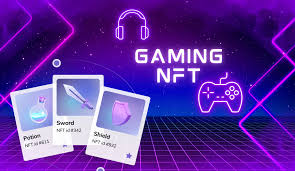
- A rare sword in a traditional RPG is locked in your account.
- In an NFT game, that same sword can be sold or traded for cryptocurrency — turning your gaming achievements into real-world value.
How Blockchain Technology Powers NFT Games
Blockchain technology is the backbone of the NFT gaming ecosystem. It provides a transparent, secure, and decentralized way to track ownership and transactions.
Here’s how it works:
- Digital Ownership: Every NFT is stored on the blockchain, proving it’s yours — no one, not even the game developer, can take it away.
- Transparency: Every transaction (buying, selling, trading) is recorded publicly, ensuring fairness and authenticity.
- Interoperability: Some games allow NFT assets to be used across multiple platforms or metaverses.
- Security: Blockchain eliminates duplication or cheating by verifying each asset’s authenticity.
This system gives players confidence that their time and money are being spent in a fair, secure digital environment.
The Play-to-Earn (P2E) Revolution
At the heart of NFT gaming lies the play-to-earn model — a groundbreaking concept where players can earn cryptocurrencies or NFTs by simply playing the game.
This model rewards skill, dedication, and participation rather than just entertainment. Players can earn through:
- Winning battles or tournaments
- Selling in-game NFTs
- Completing tasks or missions
- Staking or renting assets in-game
For gamers in many countries, P2E games have become a legitimate source of income. In places like the Philippines and Indonesia, players of Axie Infinity reported earning more from gaming than from full-time jobs during the height of the NFT boom.
Why NFT Games Are Different From Traditional Games
| Traditional Games | NFT Games (Blockchain Gaming) |
|---|---|
| Players don’t own their items | Players own and control their digital assets |
| Earnings are limited to in-game rewards | Players can earn cryptocurrency or real money |
| Centralized control by developers | Decentralized and community-driven ecosystems |
| Items can’t be traded freely | Assets can be sold, traded, or used in other games |
In essence, NFT games replace “pay-to-play” with “play-to-earn.”
Popular NFT Games and Platforms
- Axie Infinity – The game that started the P2E craze. Players breed and battle creatures called Axies to earn tokens like SLP (Smooth Love Potion), which can be traded for real-world currency.
- Decentraland – A virtual world where players can buy, sell, and develop digital land using the MANA cryptocurrency. Major brands and artists host events here, merging gaming with real-world business.
- The Sandbox – A creative metaverse allowing players to build and monetize virtual experiences. Players own virtual plots of land as NFTs and can sell them for profit.
- Gods Unchained – A blockchain-based card game where each card is an NFT. Players can trade cards freely, much like in real-world trading card games.
The Benefits of NFT Gaming
1. True Ownership
Every item you earn or buy belongs entirely to you. This transparency fosters trust between players and developers.
2. Real Financial Rewards
P2E games allow players to turn gaming time into real-world income through cryptocurrency or asset sales.
3. Community-Driven Ecosystems
Blockchain enables community participation in governance and game updates through decentralized voting systems.
4. Interoperability
Players can move NFTs across multiple games or platforms — creating a connected digital universe.
5. Transparency and Fairness
All transactions are public and verifiable, reducing cheating and fraud in gaming economies.
Risks and Challenges of NFT Games
While NFT gaming presents exciting opportunities, it’s not without its risks:
- Market Volatility: NFT and crypto prices can swing wildly, impacting the value of in-game assets.
- Scams and Rug Pulls: Some NFT projects are fraudulent, disappearing after collecting funds from investors.
- Environmental Concerns: Energy-intensive blockchains like Ethereum (though improving with upgrades) have faced criticism for carbon emissions.
- Regulatory Uncertainty: Legal frameworks around NFTs and crypto vary globally, affecting game operations.
- Barrier to Entry: Some games require expensive NFTs upfront, limiting accessibility for new players.
Players should always research before investing time or money in any NFT project.
The Future of Play-to-Earn and Blockchain Gaming
The future of NFT gaming goes far beyond collecting and trading. It’s shaping up to be a key component of the metaverse, where digital economies and social interactions merge.
Here’s what’s on the horizon:
- Metaverse Integration: NFT games will serve as gateways into larger interconnected virtual worlds.
- AI and Smart Contracts: Automated economies will regulate in-game transactions and asset value.
- Sustainable Gaming Models: Developers are exploring eco-friendly blockchains to minimize environmental impact.
- Cross-Platform Economies: Expect greater compatibility between different NFT games and platforms.
NFT gaming isn’t just a trend — it’s laying the groundwork for a new digital economy, where gaming is both entertainment and employment.
Conclusion: From Players to Earners
The play-to-earn revolution is changing the very definition of gaming. It’s no longer just about fun — it’s about freedom, ownership, and opportunity.
NFT games are empowering players to become entrepreneurs, creators, and investors in their own digital worlds. While risks exist, the potential to build a sustainable gaming economy — where time and talent are truly valued — is already here.
As blockchain technology evolves, the future of gaming looks more immersive, inclusive, and rewarding than ever before.